Episode #999
Tom Bilyeu
Books mentioned
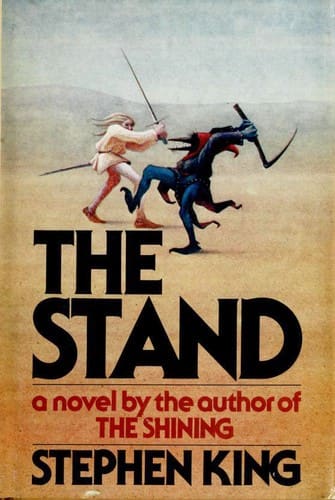
The Stand
Mentioned by Joe Rogan (host) · at 00:11:30
Amazon (opens in a new tab; affiliate link) Source: Transcript (podscripts.co)
The Road
Mentioned by Joe Rogan (host) · at 00:11:58
Amazon (opens in a new tab; affiliate link) Source: Transcript (podscripts.co)
Homo Deus
Mentioned by Joe Rogan (host) · at 00:14:38
Amazon (opens in a new tab; affiliate link) Source: Transcript (podscripts.co)
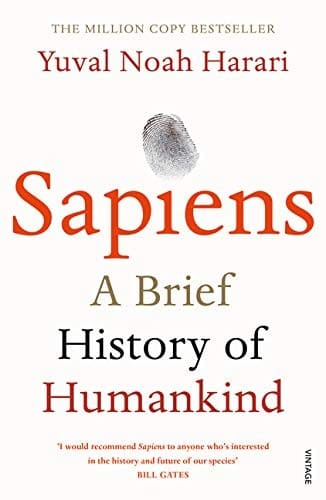
Sapiens
Mentioned by Tom Bilyeu · at 00:14:38
Amazon (opens in a new tab; affiliate link) Source: Transcript (podscripts.co)
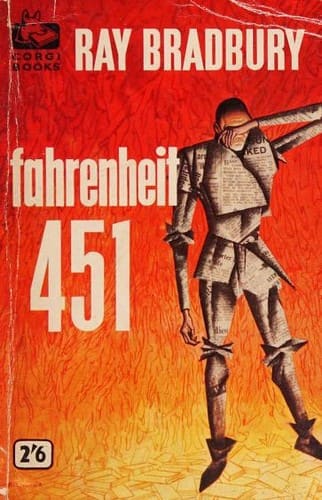
Fahrenheit 451
Mentioned by Joe Rogan (host) · at 00:31:33
Amazon (opens in a new tab; affiliate link) Source: Transcript (podscripts.co)
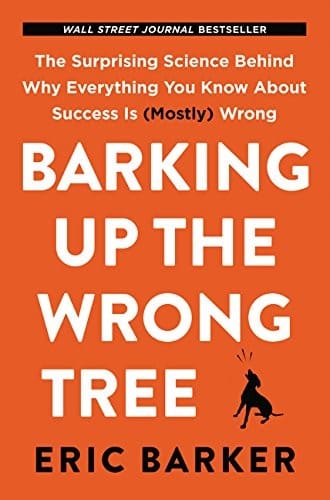
Barking Up the Wrong Tree
Mentioned by Joe Rogan (host) · at 00:37:55
Amazon (opens in a new tab; affiliate link) Source: Transcript (podscripts.co)
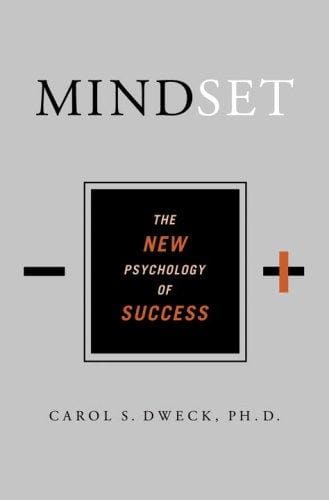
Mindset
Mentioned by Tom Bilyeu · at 01:04:08
Amazon (opens in a new tab; affiliate link) Source: Transcript (podscripts.co)
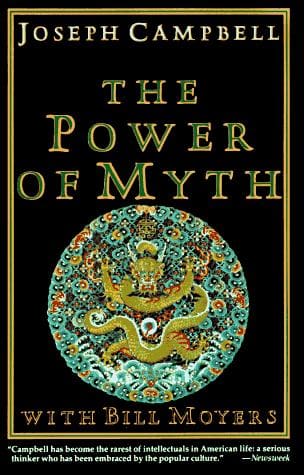
The Power of Myth
Mentioned by Tom Bilyeu · at 01:20:46
Amazon (opens in a new tab; affiliate link) Source: Transcript (podscripts.co)
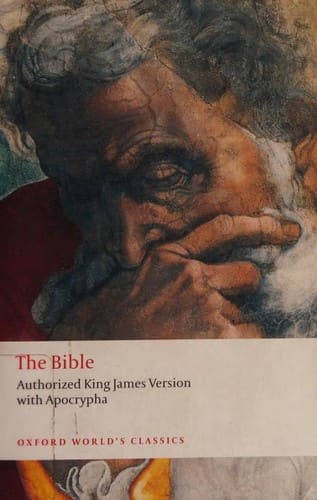
The Bible
Mentioned by Joe Rogan (host) · at 01:26:57
Amazon (opens in a new tab; affiliate link) Source: Transcript (podscripts.co)


Timestamps are segment start times from the podscripts.co transcript of the audio release (includes ad reads), so they may differ from the video by a few minutes.
Tom Bilyeu, co-founder of Quest Nutrition and co-founder and CEO of Impact Theory, discusses ketogenic nutrition, entrepreneurship, leadership, and his experiences supporting young people. The conversation also explores storytelling and myth as tools for personal transformation, alongside the design and societal implications of sentient AI, human augmentation, cooperation, and survival.
What they talked about
- Quest Nutrition origin story and low-sugar bar concept
- Keto diet, ketosis, and the 'keto flu'
- Human population bottleneck from supervolcano eruption
- Twilight Zone episode 'To Serve Man' and sci-fi cannibalism
- AI, brain augmentation, and the coming human bifurcation
- Growth mindset vs. fixed mindset and personal transformation
- Building a business on value, not just money
- The Matrix as a metaphor for life and limiting beliefs
Data last updated · Report a mistake · How it works: mentions are pulled from public transcripts and episode descriptions, partly with AI-assisted extraction, so details and timestamps can be off.