JRE #877 Jordan Peterson: Books mentioned
Books mentioned on JRE #877
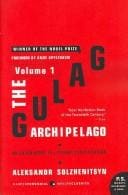
The Gulag Archipelago
Mentioned by Jordan Peterson · at 00:10:37
practice first in the Soviet Union, and Alexander Solzhenitsyn, who wrote the Gulag Archipelago,
View on Amazon (opens in a new tab; affiliate link) Source: Transcript (podscripts.co)
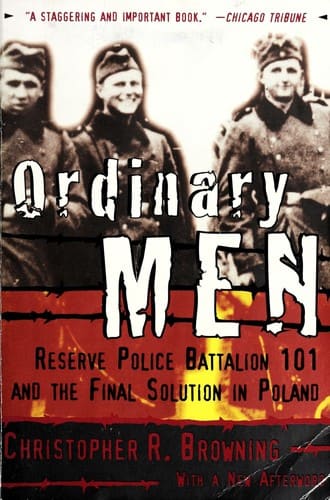
Ordinary Men
Mentioned by Jordan Peterson · at 00:54:38
if you want to read about how this process works, you can read a book called Ordinary Men by Robert Browning.
View on Amazon (opens in a new tab; affiliate link) Source: Transcript (podscripts.co)
Why Men Make More
Mentioned by Joe Rogan (host) · at 01:21:48
View on Amazon (opens in a new tab; affiliate link) Source: Transcript (podscripts.co)
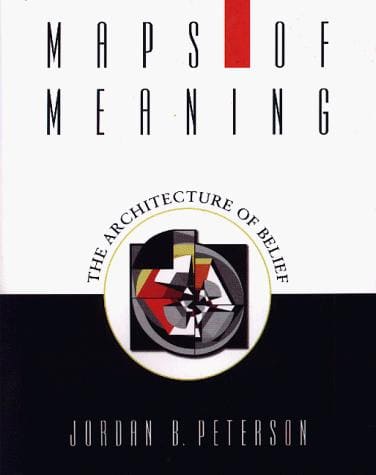
Maps of Meaning
Mentioned by Jordan Peterson · at 01:58:33
And I've done that with my students in my Maps of Meaning class for about the last 10 years,
View on Amazon (opens in a new tab; affiliate link) Source: Transcript (podscripts.co)
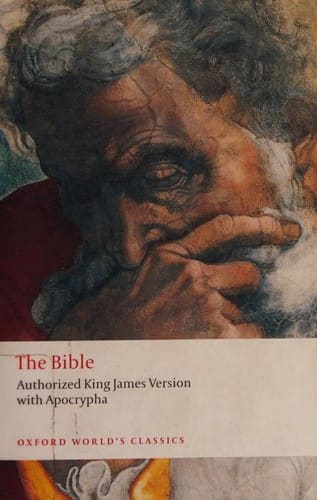
The Bible
Mentioned by Jordan Peterson · at 02:02:26
View on Amazon (opens in a new tab; affiliate link) Source: Transcript (podscripts.co)
Harry Potter series
Mentioned by Jordan Peterson · at 02:13:55
You see that all the time, too, in the Harry Potter series, for example.
View on Amazon (opens in a new tab; affiliate link) Source: Transcript (podscripts.co)
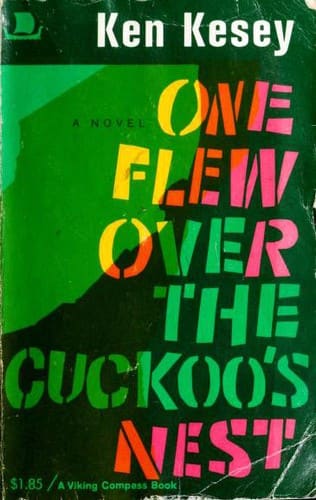
One Flew Over the Cuckoo's Nest
Mentioned by Jordan Peterson · at 02:41:27
I mean, these people were, this is way worse than one flew over
View on Amazon (opens in a new tab; affiliate link) Source: Transcript (podscripts.co)
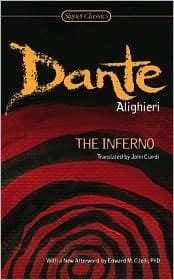
Inferno
Mentioned by Jordan Peterson · at 02:41:27
Bosch painting or Dante's Inferno. I mean, these people were, this is way worse than one flew over
View on Amazon (opens in a new tab; affiliate link) Source: Transcript (podscripts.co)

Timestamps are segment start times from the podscripts.co transcript of the audio release (includes ad reads), so they may differ from the video by a few minutes.
Clinical psychologist and University of Toronto professor Jordan Peterson joins Joe Rogan to discuss Marxism, postmodernism, gender politics, ideological conformity, free speech, and identity politics in universities and online spaces. They also examine how individuals and institutions can normalize harmful policies, drawing on Christopher Browning’s work on ordinary people participating in atrocities. The conversation additionally covers religious narratives, mythology, autobiographical writing, moral truth, authoritarianism, and the psychological effects of silence and compelled language.
What they talked about
- Compelled gender pronouns and Bill C-16
- Marxism's historical atrocities and modern resurgence
- University ideological homogeneity and lack of ideational diversity
- Sex differences in career choices and the tech industry
- Social psychology's flaws vs. personality psychology
- Student loan debt as indentured servitude
- YouTube as a revolutionary educational platform
- Self-authoring program and personal responsibility
Data last updated · Report a mistake · How it works: mentions are pulled from public transcripts and episode descriptions, partly with AI-assisted extraction, so details and timestamps can be off.