Episode #2353
Shaka Senghor
Books mentioned
As a Man Thinketh
Mentioned by Shaka Senghor · at 00:25:02 · ▶︎ Watch this moment on YouTube (approximate)
Amazon (opens in a new tab; affiliate link) Source: Transcript (podscripts.co)
Dopefiend
Mentioned by Shaka Senghor · at 00:42:10 · ▶︎ Watch this moment on YouTube (approximate)
Amazon (opens in a new tab; affiliate link) Source: Transcript (podscripts.co)
Black Gangster
Mentioned by Shaka Senghor · at 00:42:10 · ▶︎ Watch this moment on YouTube (approximate)
Amazon (opens in a new tab; affiliate link) Source: Transcript (podscripts.co)
Pimp
Mentioned by Shaka Senghor · at 00:42:10 · ▶︎ Watch this moment on YouTube (approximate)
Amazon (opens in a new tab; affiliate link) Source: Transcript (podscripts.co)
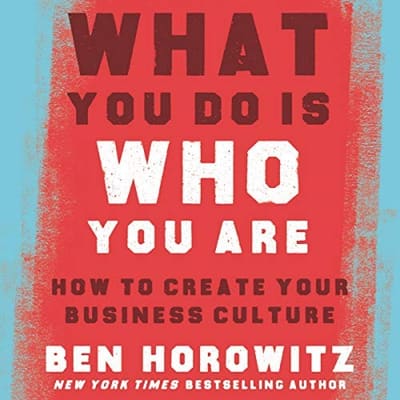
What You Do Is Who You Are
Mentioned by Shaka Senghor · at 02:01:32 · ▶︎ Watch this moment on YouTube (approximate)
Amazon (opens in a new tab; affiliate link) Source: Transcript (podscripts.co)





Timestamps are segment start times from the podscripts.co transcript of the audio release (includes ad reads), so they may differ from the video by a few minutes.
Shaka Senghor, a writer and entrepreneur who served 19 years in prison, discusses his new book and his journey from solitary confinement to personal transformation. The conversation covers his traumatic childhood, the influence of reading and writing in prison, and how lessons about vulnerability, gratitude, and community apply to business and everyday life. He also critiques the US prison system and reflects on forgiveness and deep male friendships.
What they talked about
- Growing up in an abusive Detroit household
- Running away and entering street culture at 13
- Convicted of second-degree murder at 19
- Life in county jail and solitary confinement
- Journaling and writing a book in prison
- Prison as an industry and systemic injustice
- Gratitude and vulnerability as keys to freedom
- Applying prison-learned skills in corporate culture
Data last updated · Report a mistake · How it works: mentions are pulled from public transcripts and episode descriptions, partly with AI-assisted extraction, so details and timestamps can be off.