Episode #2278
Chase Hughes
Books mentioned
The Behavior Ops Manual
Mentioned by Joe Rogan (host) · at 00:09:41 · ▶︎ Watch this moment on YouTube (approximate)
Amazon (opens in a new tab; affiliate link) Source: Official episode description (podcast RSS) · Transcript (podscripts.co)
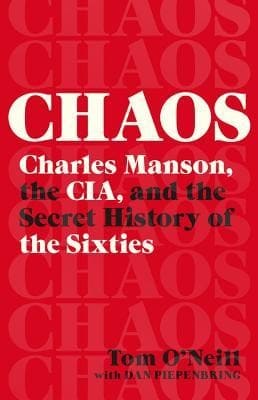
Chaos
Mentioned by Joe Rogan (host) · at 00:59:33 · ▶︎ Watch this moment on YouTube (approximate)
Amazon (opens in a new tab; affiliate link) Source: Transcript (podscripts.co)
The Art of War
Mentioned by Joe Rogan (host) · at 02:07:23 · ▶︎ Watch this moment on YouTube (approximate)
Amazon (opens in a new tab; affiliate link) Source: Transcript (podscripts.co)
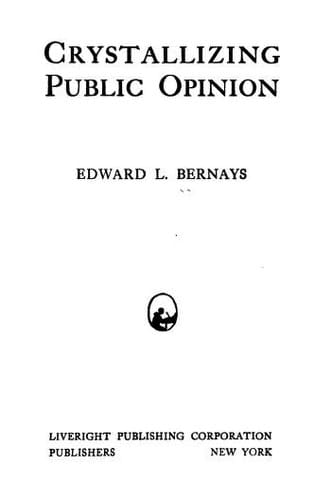
Crystallizing Public Opinion
Mentioned by Chase Hughes · at 02:36:54 · ▶︎ Watch this moment on YouTube (approximate)
Amazon (opens in a new tab; affiliate link) Source: Transcript (podscripts.co)
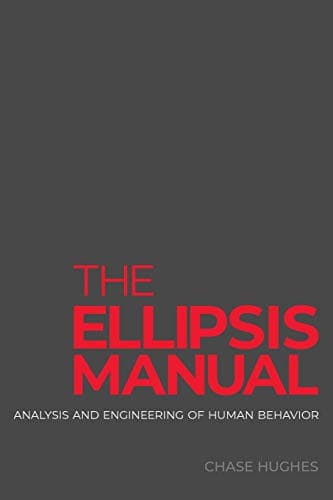
The Ellipsis Manual
Mentioned by Official episode description
Amazon (opens in a new tab; affiliate link) Source: Official episode description (podcast RSS)

Timestamps are segment start times from the podscripts.co transcript of the audio release (includes ad reads), so they may differ from the video by a few minutes.
Chase Hughes, an expert in influence and human behavior, discusses his experience with temporal epilepsy and treatment, then explores behavior manipulation, cult recruitment, mind control programs like MKUltra, and the use of hypnosis in combat sports. He also covers propaganda, social media's psychological impact, and his work teaching behavioral profiling to government agencies.
What they talked about
- Temporal epilepsy and mesial temporal sclerosis diagnosis
- Body language and behavior analysis in government training
- Social conformity experiments and cult psychology
- Milgram experiment and obedience to authority
- Interrogation techniques and Manchurian candidate concept
- Visualization and mental rehearsal in combat sports
- Mike Tyson's stoic expression and fight preparation
- Pharmaceutical advertising and societal influence
Data last updated · Report a mistake · How it works: mentions are pulled from public transcripts and episode descriptions, partly with AI-assisted extraction, so details and timestamps can be off.