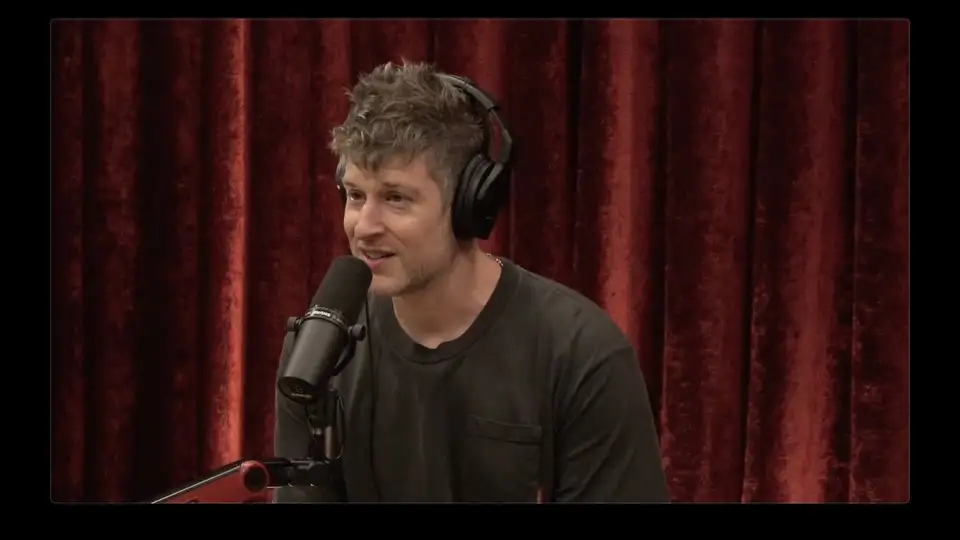
JRE #2170 Max Lugavere: Books mentioned
Books mentioned on JRE #2170
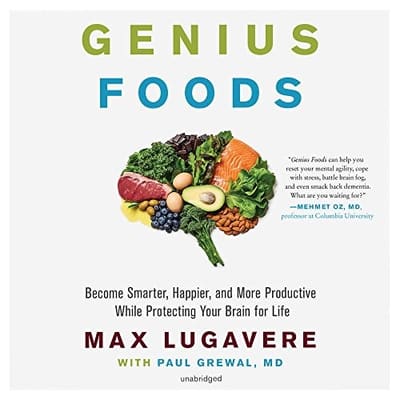
Genius Foods
Mentioned by Max Lugavere · at 01:23:35 · ▶︎ Watch this moment on YouTube (approximate)
So like even when I wrote my first book genius foods
View on Amazon (opens in a new tab; affiliate link) Source: Transcript (podscripts.co)
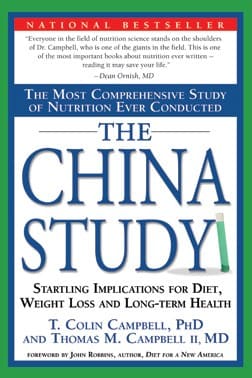
The China Study
Mentioned by Max Lugavere · at 01:21:19 · ▶︎ Watch this moment on YouTube (approximate)
Yeah and then people they sort cite things like the China study which is
View on Amazon (opens in a new tab; affiliate link) Source: Transcript (podscripts.co)
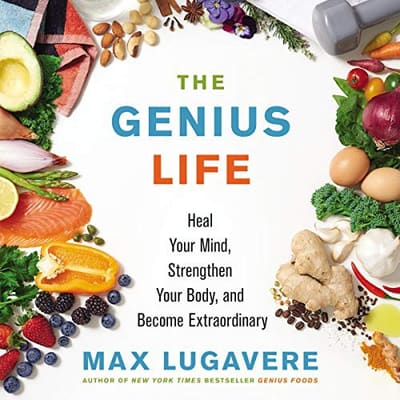
The Genius Life
Mentioned by Max Lugavere · at 02:34:27 · ▶︎ Watch this moment on YouTube (approximate)
And listen to my podcast, The Genius Life.
View on Amazon (opens in a new tab; affiliate link) Source: Transcript (podscripts.co)
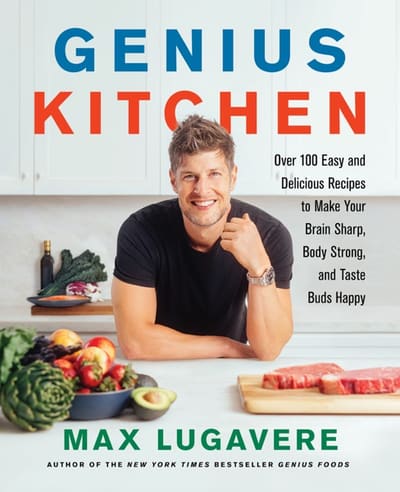
The Genius Kitchen
Mentioned by Max Lugavere · at 02:34:27 · ▶︎ Watch this moment on YouTube (approximate)
View on Amazon (opens in a new tab; affiliate link) Source: Transcript (podscripts.co)
Timestamps are segment start times from the podscripts.co transcript of the audio release (includes ad reads), so they may differ from the video by a few minutes.
Max Lugavere, a filmmaker and health journalist, discusses the fraud behind the amyloid hypothesis for Alzheimer's disease and the importance of prevention. He covers risk factors like diet, air pollution, and pesticides, along with the potential protective effects of nicotine against Parkinson's. The conversation also explores ultra-processed foods, gut health, and exercise for brain health.
What they talked about
- Documentary 'Little Empty Boxes' on dementia prevention
- Amyloid hypothesis fraud in Alzheimer's research
- Dementia as a disease of midlife with late-life symptoms
- Pesticides and Parkinson's disease link
- Nicotine and its metabolite cotinine for cognition
- Health impact of ultra-processed foods and chemicals
- Exercise and sauna for brain health and dementia prevention
- Practical tips for reducing toxin exposure
Data last updated · Report a mistake · How it works: mentions are pulled from public transcripts and episode descriptions, partly with AI-assisted extraction, so details and timestamps can be off.