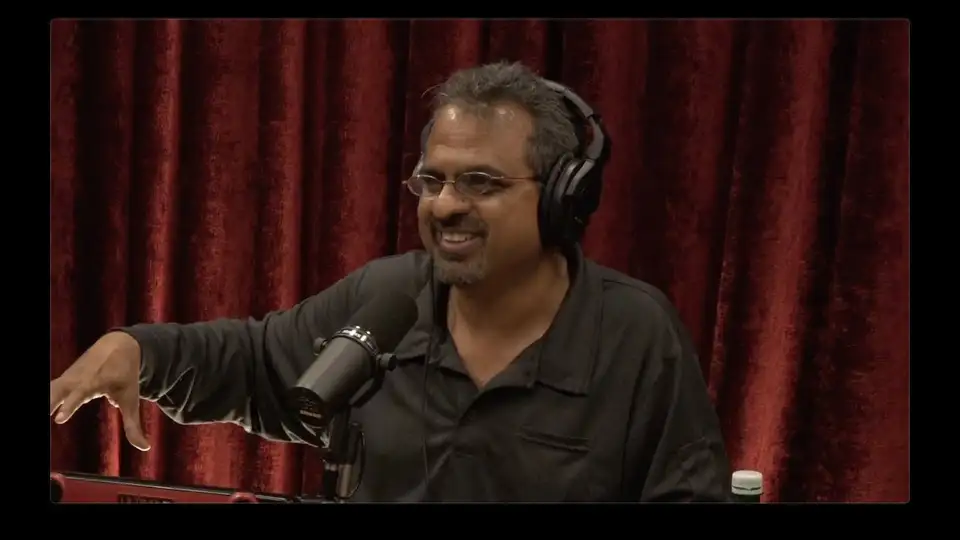
JRE #2151 Rizwan Virk: Books mentioned
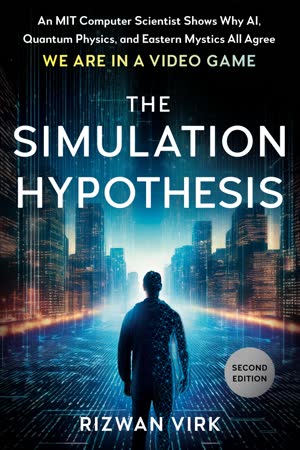
Books mentioned on JRE #2151
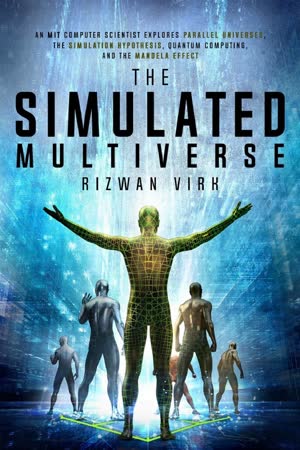
The Simulated Multiverse
Mentioned by Rizwan Virk · at 00:12:22 · ▶︎ Watch this moment on YouTube (approximate)
So this is the topic of my second book, which is called The Simulated Multiverse, this idea that each of
View on Amazon (opens in a new tab; affiliate link) Source: Official episode description (podcast RSS) · Transcript (podscripts.co)
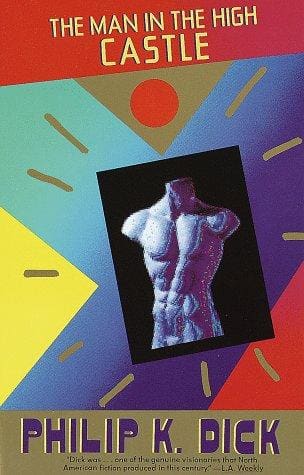
The Man in the High Castle
Mentioned by Rizwan Virk · at 00:13:11 · ▶︎ Watch this moment on YouTube (approximate)
Dick came to believe that his novel, The Man in the High Castle, which was turned
View on Amazon (opens in a new tab; affiliate link) Source: Transcript (podscripts.co)
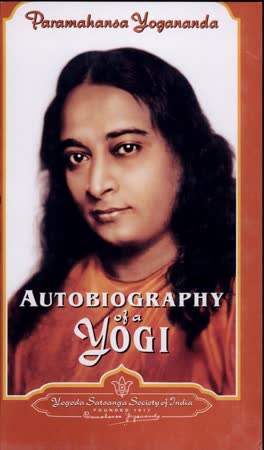
Autobiography of a Yogi
Mentioned by Rizwan Virk · at 00:48:34 · ▶︎ Watch this moment on YouTube (approximate)
Autobiography of a yogi. I don't know if you ever read it.
View on Amazon (opens in a new tab; affiliate link) Source: Transcript (podscripts.co)
Wisdom of a Yogi
Mentioned by Rizwan Virk · at 00:51:45 · ▶︎ Watch this moment on YouTube (approximate)
View on Amazon (opens in a new tab; affiliate link) Source: Transcript (podscripts.co)
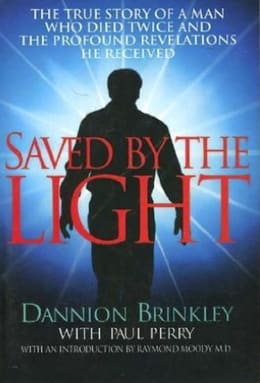
Saved by the Light
Mentioned by Rizwan Virk · at 00:57:13 · ▶︎ Watch this moment on YouTube (approximate)
But there was a guy named Daniel Brinkley who wrote a book called Saved by the Light
View on Amazon (opens in a new tab; affiliate link) Source: Transcript (podscripts.co)
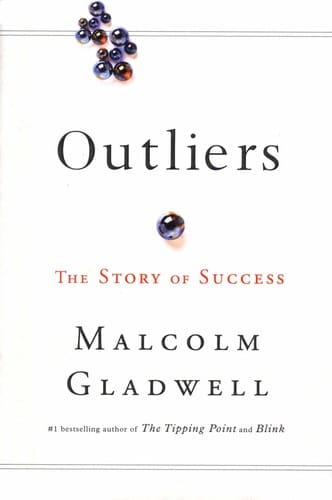
Outliers
Mentioned by Rizwan Virk · at 01:10:32 · ▶︎ Watch this moment on YouTube (approximate)
Now, Malcolm Gladwell wrote that book, I think it's called Outliers, which says if you spend
View on Amazon (opens in a new tab; affiliate link) Source: Transcript (podscripts.co)
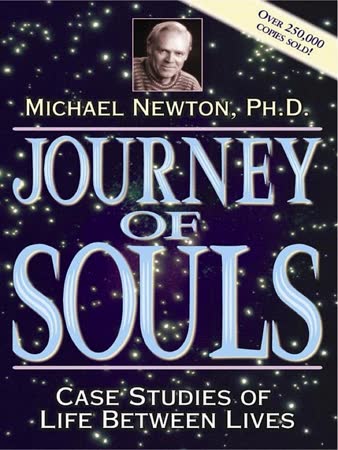
Journey of Souls
Mentioned by Rizwan Virk · at 01:19:39 · ▶︎ Watch this moment on YouTube (approximate)
There was a hypnotherapist who wrote a book called Journey of Souls, Dr.
View on Amazon (opens in a new tab; affiliate link) Source: Transcript (podscripts.co)
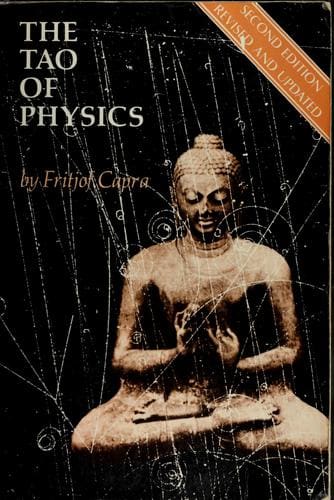
The Tao of Physics
Mentioned by Rizwan Virk · at 01:24:10 · ▶︎ Watch this moment on YouTube (approximate)
One of the guys was Fritjof Capra, who wrote the Tao of Physics.
View on Amazon (opens in a new tab; affiliate link) Source: Transcript (podscripts.co)
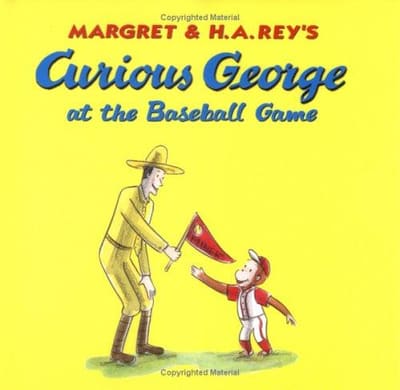
Curious George
Mentioned by Rizwan Virk · at 01:37:40 · ▶︎ Watch this moment on YouTube (approximate)
Let's say you have Curious George.
View on Amazon (opens in a new tab; affiliate link) Source: Transcript (podscripts.co)
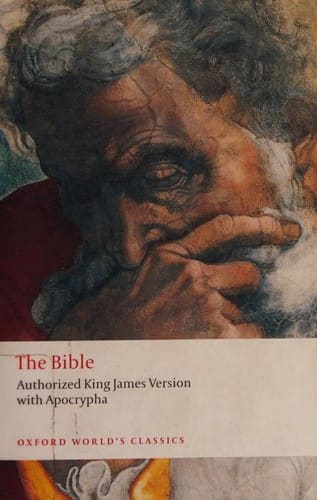
The Bible
Mentioned by Rizwan Virk · at 01:31:14 · ▶︎ Watch this moment on YouTube (approximate)
Is it only in like the Bible like this is going on?
View on Amazon (opens in a new tab; affiliate link) Source: Transcript (podscripts.co)
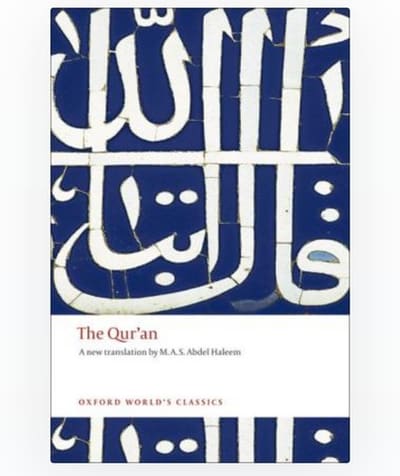
The Quran
Mentioned by Rizwan Virk · at 01:31:14 · ▶︎ Watch this moment on YouTube (approximate)
And so I started looking around at Islam and the Quran because they memorized the Quran
View on Amazon (opens in a new tab; affiliate link) Source: Transcript (podscripts.co)
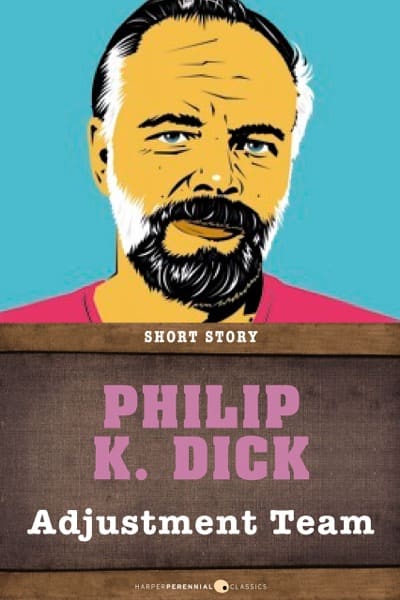
Adjustment Team
Mentioned by Rizwan Virk · at 01:42:03 · ▶︎ Watch this moment on YouTube (approximate)
But so, you know, he wrote a story called The Adjustment Team.
View on Amazon (opens in a new tab; affiliate link) Source: Transcript (podscripts.co)

Timestamps are segment start times from the podscripts.co transcript of the audio release (includes ad reads), so they may differ from the video by a few minutes.
Rizwan Virk, an entrepreneur and author, discusses simulation theory, comparing reality to a video game and connecting it to quantum mechanics. He explores the Mandela Effect, UAP phenomena, and AI, drawing parallels between ancient spiritual concepts and modern technology.
What they talked about
- Simulation theory and its origins in VR experiences
- Quantum mechanics, Schrödinger's cat, and the observer effect
- Multiverse interpretation and quantum computing
- Digital physics and information-based reality
- Near-death experiences and life review as game replays
- Karma as a database of quests and experiences
- Mandela Effect and glitches in the simulation
- UAP phenomena as conditional rendering in a simulation
Data last updated · Report a mistake · How it works: mentions are pulled from public transcripts and episode descriptions, partly with AI-assisted extraction, so details and timestamps can be off.