Episode #2058
Elliott West
Books mentioned
Continental Reckoning
Mentioned by Joe Rogan (host) · at 00:00:00
Amazon (opens in a new tab; affiliate link) Source: Official episode description (podcast RSS) · Transcript (podscripts.co)
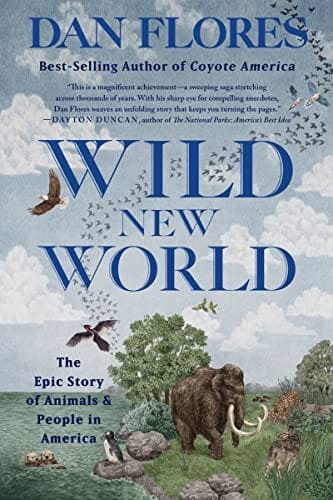
Wild New World
Mentioned by Elliott West · at 00:28:16 · ▶︎ Watch this moment on YouTube (approximate)
Amazon (opens in a new tab; affiliate link) Source: Transcript (podscripts.co)
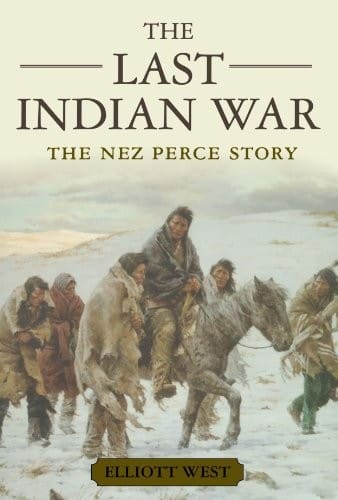
The Last Indian War
Mentioned by Joe Rogan (host) · at 00:54:29 · ▶︎ Watch this moment on YouTube (approximate)
Amazon (opens in a new tab; affiliate link) Source: Transcript (podscripts.co)
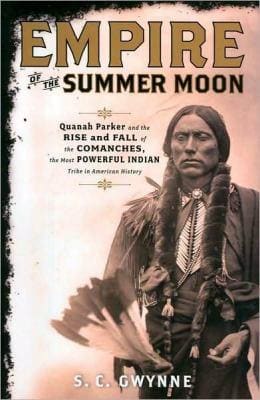
Empire of the Summer Moon
Mentioned by Joe Rogan (host) · at 01:17:05 · ▶︎ Watch this moment on YouTube (approximate)
Amazon (opens in a new tab; affiliate link) Source: Transcript (podscripts.co)
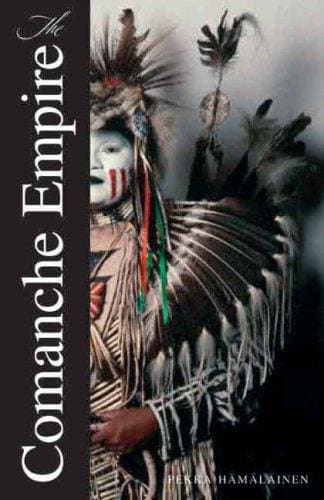
The Comanche Empire
Mentioned by Elliott West · at 01:24:54 · ▶︎ Watch this moment on YouTube (approximate)
Amazon (opens in a new tab; affiliate link) Source: Transcript (podscripts.co)
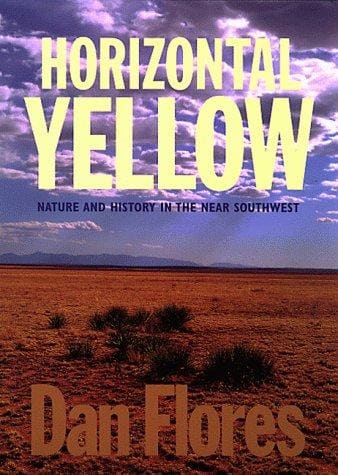
Horizontal Yellow
Mentioned by Elliott West · at 01:25:32 · ▶︎ Watch this moment on YouTube (approximate)
Amazon (opens in a new tab; affiliate link) Source: Transcript (podscripts.co)
Timestamps are segment start times from the podscripts.co transcript of the audio release (includes ad reads), so they may differ from the video by a few minutes.
Historian Elliott West discusses the ecological and demographic transformation of the American West, including the impact of European diseases, the rise of Native horse cultures, and the California gold rush. He argues that mid-19th-century westward expansion was as pivotal as the Civil War in shaping modern America.
What they talked about
- Writing and researching Continental Reckoning
- Native American delegations to France in the 1720s
- Disease and immunity among Native Americans
- Ecological transformation of the American West
- Buffalo hunting and leather demand
- Comanche horse culture and empire
- California gold rush and genocide
- Western history and national identity
Data last updated · Report a mistake · How it works: mentions are pulled from public transcripts and episode descriptions, partly with AI-assisted extraction, so details and timestamps can be off.