Episode #2023
Brian Keating
Books mentioned
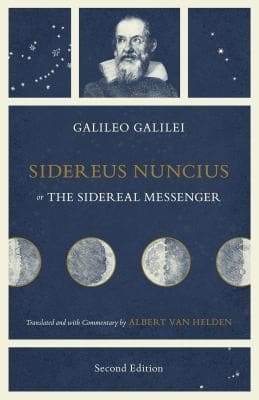
The Sidereus Nuncius
Mentioned by Brian Keating · at 00:52:53 · ▶︎ Watch this moment on YouTube (approximate)
Amazon (opens in a new tab; affiliate link) Source: Transcript (podscripts.co)
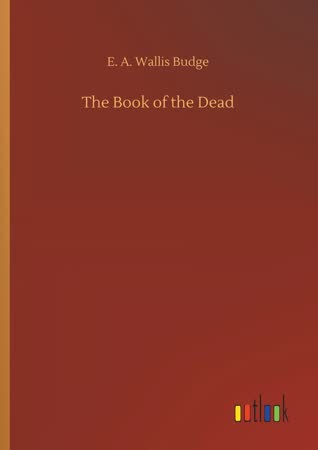
The Book of the Dead
Mentioned by Brian Keating · at 00:45:53 · ▶︎ Watch this moment on YouTube (approximate)
Amazon (opens in a new tab; affiliate link) Source: Transcript (podscripts.co)
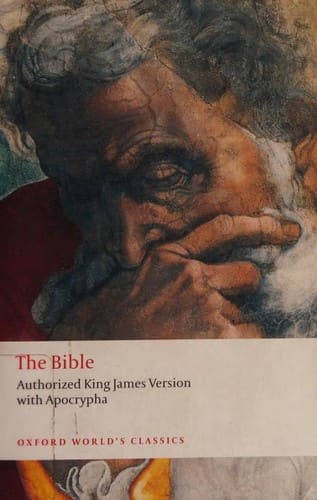
The Bible
Mentioned by Brian Keating · at 00:44:33 · ▶︎ Watch this moment on YouTube (approximate)
Amazon (opens in a new tab; affiliate link) Source: Transcript (podscripts.co)
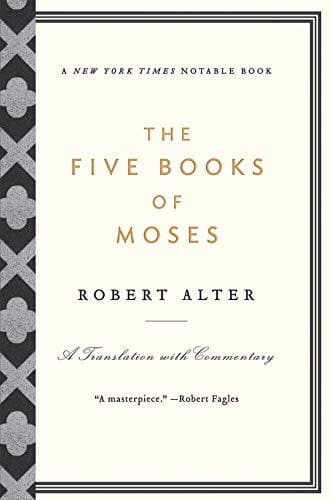
Torah
Mentioned by Brian Keating · at 00:45:53 · ▶︎ Watch this moment on YouTube (approximate)
Amazon (opens in a new tab; affiliate link) Source: Transcript (podscripts.co)
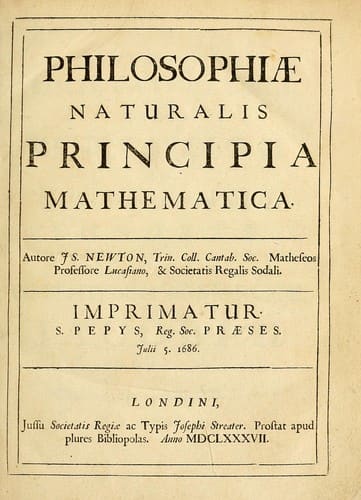
Principia
Mentioned by Brian Keating · at 01:14:07 · ▶︎ Watch this moment on YouTube (approximate)
Amazon (opens in a new tab; affiliate link) Source: Transcript (podscripts.co)
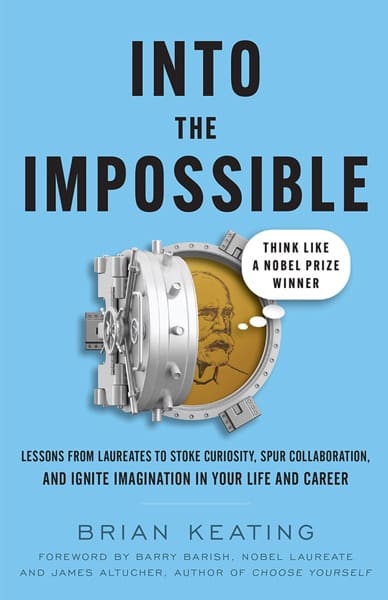
Into the Impossible
Mentioned by Official episode description
Amazon (opens in a new tab; affiliate link) Source: Official episode description (podcast RSS)
Timestamps are segment start times from the podscripts.co transcript of the audio release (includes ad reads), so they may differ from the video by a few minutes.
Brian Keating is a cosmologist, UC San Diego physics professor, author, and podcast host who discusses how telescopes and other instruments have shaped humanity’s understanding of the universe. The episode explores the universe’s age, gravitational waves, extraterrestrial life and UAP claims, Mars colonization, scientific communication, and evidence related to ancient sites and Göbekli Tepe.
What they talked about
- History of the telescope and Galileo
- Cosmic microwave background and Webb Telescope
- Galileo's pendulum and timekeeping
- Nobel Prize obsession and imposter syndrome
- Science communication and persuasion skills
- Extraterrestrial life and the Drake equation
- UFO sightings and military encounters
- Younger Dryas Impact Theory and ancient civilizations
Data last updated · Report a mistake · How it works: mentions are pulled from public transcripts and episode descriptions, partly with AI-assisted extraction, so details and timestamps can be off.