Episode #1188
Lex Fridman
Books mentioned
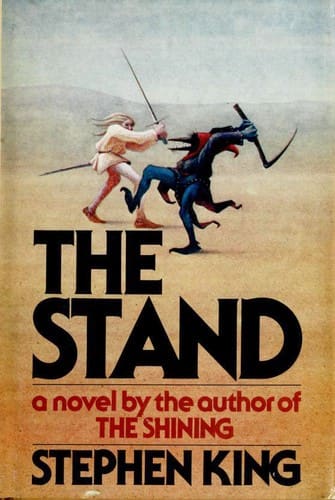
The Stand
Mentioned by Joe Rogan (host) · at 00:07:30
Amazon (opens in a new tab; affiliate link) Source: Transcript (podscripts.co)
On Writing
Mentioned by Joe Rogan (host) · at 00:08:03
Amazon (opens in a new tab; affiliate link) Source: Transcript (podscripts.co)
The War of Art
Mentioned by Joe Rogan (host) · at 00:08:03
Amazon (opens in a new tab; affiliate link) Source: Transcript (podscripts.co)
The Lord of the Rings
Mentioned by Lex Fridman · at 00:20:29
Amazon (opens in a new tab; affiliate link) Source: Transcript (podscripts.co)
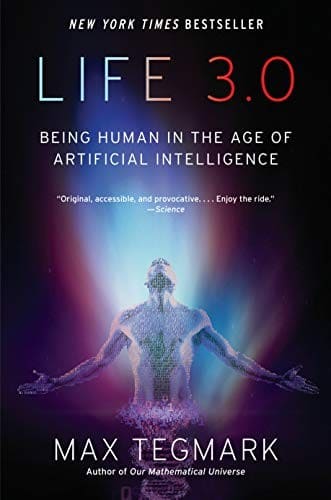
Life 3.0
Mentioned by Lex Fridman · at 01:10:12
Amazon (opens in a new tab; affiliate link) Source: Transcript (podscripts.co)
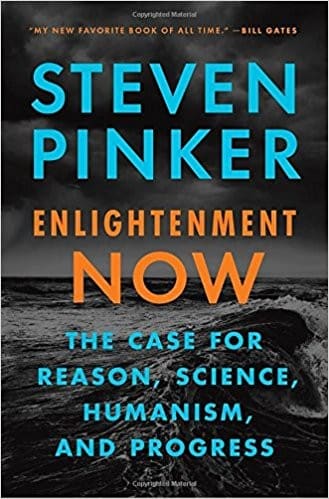
Enlightenment Now
Mentioned by Lex Fridman · at 01:15:16
Amazon (opens in a new tab; affiliate link) Source: Transcript (podscripts.co)
Bhagavad Gita
Mentioned by Lex Fridman · at 01:22:16
Amazon (opens in a new tab; affiliate link) Source: Transcript (podscripts.co)




Timestamps are segment start times from the podscripts.co transcript of the audio release (includes ad reads), so they may differ from the video by a few minutes.
MIT research scientist Lex Fridman discusses artificial intelligence, creativity, consciousness, bias, robotics, autonomous vehicles, and superintelligence, weighing evidence-based optimism against existential risks. He and Joe Rogan also examine how social media, recommender systems, and neural interfaces could affect identity, politics, relationships, and access to information, alongside martial arts, virtual reality, academia, and Rogan’s comedy career.
What they talked about
- AI as reverse engineering the brain
- Neural networks and their limitations
- Autonomous vehicles and the DARPA challenges
- Historical AI predictions and their inaccuracy
- Risks of superintelligent AI
- Boston Dynamics robots and the feeling of life
- Consciousness and virtual reality
- Impact of internet pornography on culture
Data last updated · Report a mistake · How it works: mentions are pulled from public transcripts and episode descriptions, partly with AI-assisted extraction, so details and timestamps can be off.